Feeds:
Posts
Comments

Posts Tagged ‘Patience’

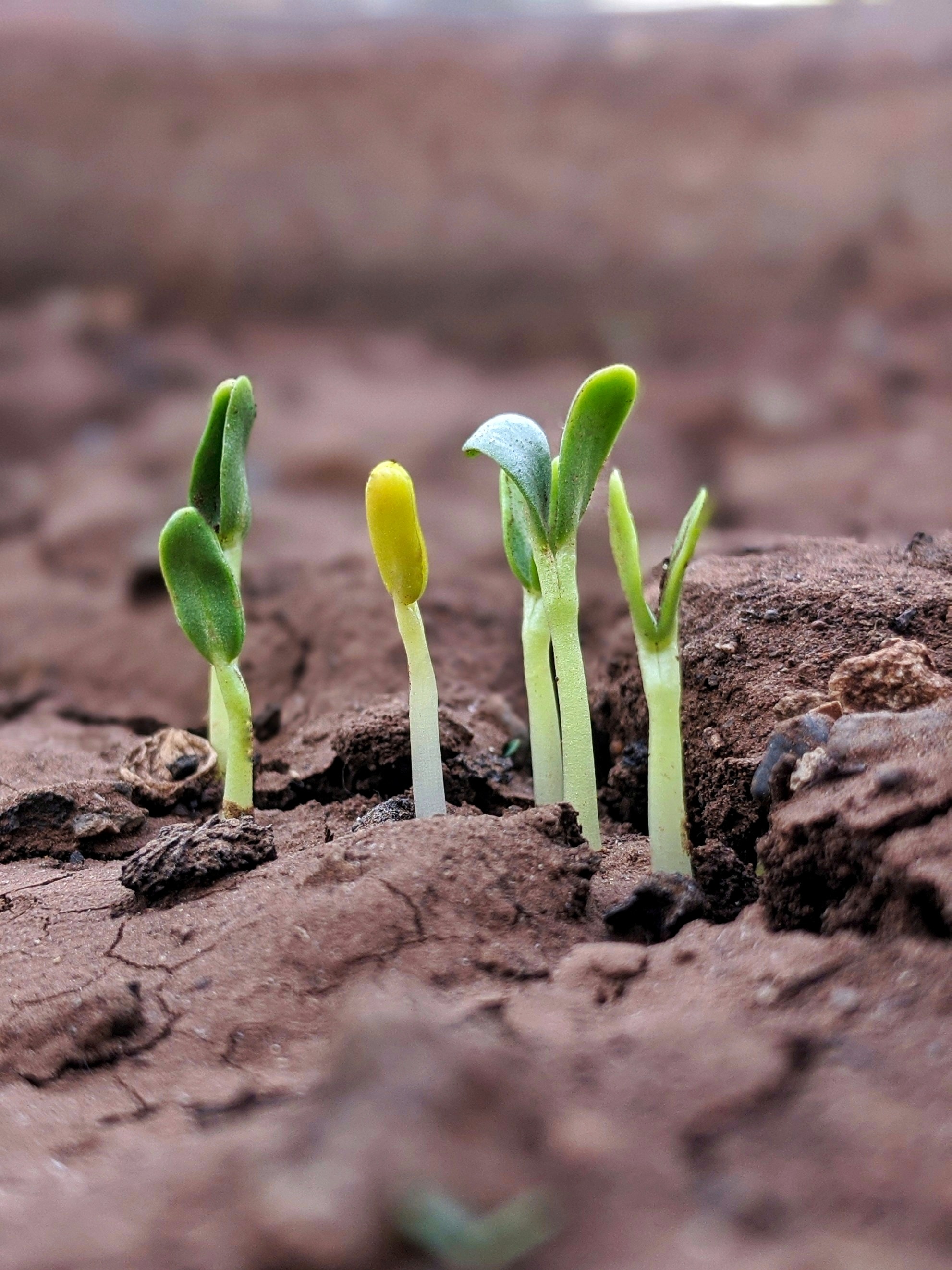
Photo by Claudio Schwarz on Unsplash

This week’s readings:

  1. Leviticus 13:1–2, 44–46
  2. Psalm 32:1–2, 5, 11
  3. 1 Corinthians 10:31—11:1
  4. Mark 1: 40-45

What this week’s readings say to me:

In the first passage, I read that the Lord gives specific instructions to Moses and Aaron about what to do if someone has leprosy and what to tell the affected person to do.

The subject of the psalm is a different disease — the disease of sinfulness. The Good News that this psalm shares is that God offers treatment for the latter condition to everyone. The first step in the treatment is acknowledging I have this illness. The second is sharing with God and with a wise adviser or two the symptoms of it that I’m experiencing. The third step is acknowledging that I can get rid of neither the symptoms nor their cause of this illness on my own. The process of spiritual healing begins with my trust in the power of God to cure what’s sick in my soul and my awareness of and gratitude for what in me reflects God.

The third passage, the epistle, begins by reminding me that my purpose is to reflect God. The ideal is for people to be drawn to God by being able to appreciate how others and whatever is beautiful around them reflect God. I’m called to discern what guardrails come from love of God and others and what might seem like a guardrail but isn’t. It’s a wall, a human construct that divides family members and distorts their relationships with the world around them. In this passage, Paul is able to envision a world in which members of the human family, with God’s accompaniment, can come from different places and with different experiences without being divided. He urges us to honor each other’s feelings and to respect the diversity of our human family.

The Gospel passage, I see Jesus curing a disease that has separated a man from the wider community of people affected by that illness. I also see him honoring the feelings and the gifts of that person, as well as the practices of the culture both men were born into. I read that Jesus was “moved with pity” and that “he stretched out his hand [and] touched [the man] (Mark 1:41). Jesus feels empathy for the challenges the man faces.

I also notice that when the man approaches Jesus, he doesn’t actually make a request. Instead, he makes a proclamation of faith in what Jesus can do for him. In this scene, Jesus doesn’t say after the healing that faith has saved the man, but another healing scenes, he does tell the beneficiary this. I think showing the ill man making a statement rather than a request and then showing Jesus healing is another way of recognizing the man’s faith. (Skip ahead to Beyond This Week’s Readings for an important aside about this aspect of the story. Finished the PSA break? Okay. Let’s rejoin our regularly scheduled programming that’s already in progress.)

The passage could have just said that Jesus touched the man, and the man was healed. But it doesn’t say this. It stands out to me that the passage says Jesus “stretched out his hand” (Mark 1:41). Because of my muscle spasticity, I can’t fully extend my arm, so to me, the passage is making a point that Jesus’s work takes effort and that that work is closing an often wide divide between people with this condition and people without it. Now quarantining people with this condition had a practical benefit for the wider community. What’s today called Hansen’s disease is contagious, though not as contagious as it was once thought, according to Wikipedia’s Leprosy entry. The infection can affect the nerves and the lungs and can lead to amputations as well as affecting the skin. 

Jesus demonstrates knowing that communities lose irreplaceable contributions when some members are cut off from them. He also demonstrates understanding that humans are made for community, and not just conversation either, but companionship that includes touch.

Jesus’ actions after the healing also reveal wisdom, as we might expect. They remind us, for one, of the importance of letting timing shape our actions. His actions suggest he has discerned that working within the expectations of authority figures who will be challenged by his message, not giving offense, in other words, is important to fulfilling his mission at the time of this healing. He tells the newly cured man not to discuss with anyone the change in his condition or how it came about. He tells the man that instead of talking about his healing, he should go to the priest, who will see that he no longer displays the visible symptoms of the illness. Once the priest declares him clean, Jesus instructs, he should make offerings to God in gratitude for his cleansing (Mark 1:44).

I think Jesus knows the man won’t follow his instructions. Aside from Him being both fully human and fully divine at and it not being clear to us in this life how those two natures interacted, I can’t imagine the healed man being able to resist telling everyone he meets what he’s just experienced. People will no longer distance themselves at the sight of him. They’ll no longer turn away if they spot him in the distance. His appearance won’t make children scream or cry. And these are just the unpleasant reactions I imagined him receiving on account of the outward signs of his former condition. Illnesses and disabilities shape lives in so many ways that aren’t visible. I suspect Jesus not only understands that healing the man will have these effects on his life, but also he understands how tempting it is to share even a secret that is far less significant than the one the healed man knows.

Regardless of how prepared He was for the man not to follow his instructions, the reading shows Him seeking to do what He’s called to do in a way that acknowledges and responds to how the choices of others affect that calling. He responds to the news of his miracles spreading by staying in more sparsely populated areas (Mark 1:45).

We saw in last week’s Gospel that He uses time away from crowds to rest and to speak and listen to his Father. Maybe it was during one of these times away that the man who gets healed in this reading was able to approach Jesus. This week, we read that despite His efforts to give Himself that time and space, people who need help and trust that He can provide it find him anyway. God works in all our circumstances, regardless of whether our senses can detect that this is true or whether we feel like it’s true. My senses often can’t, and I often wish I felt the Spirit’s unending accompaniment more strongly.

What someone else is sharing about this week’s readings:

Olivia Cathrine Hastie reflects on what it means for God to make us clean. It means far more than removing visible or invisible dirt from us, even “dirt” as in anything that might be perceived as unpleasant or uncomfortable, either by us or by someone forming an impression about us based on what he or she can perceive. She also points out that there are different words used in different translations of how Jesus is described as feeling in the Gospel passage. As I wrote earlier, the translation used for Masses in the U.S. says he feels pity for the sick man. Ms. Hastie says other translations use the word “compassion” in the place of “pity. “

Beyond this week’s readings:

I propose that compassion makes more sense than pity in the context of the Gospel passage. I make this proposal because I’d also like to offer that pity says the person who has it only feels sorry for the person who inspires that feeling, whereas a person acts with compassion. Compassion addresses a need, whereas pity merely recognizes one. Okay, maybe sometimes pity donates a few coins or offers another temporary fix in response to a situation, but I’d like to think that compassion allows for deeper connections that extend in more directions, and it offers both material and emotional or spiritual help.

In addition to prompting me to make a distinction between pity and compassion, the Gospel passage prompts me to feel it’s important to say a bit about the relationship between faith and healing. Some believe that if a person has enough faith, he or she will be healed of whatever ails him or her physically and/or mentally. As a person who is neurodiverse and has a physical disability, this perspective is unhelpful and even hurtful. It implies, however unintentionally so, that if I had enough faith, my mind and body would work the way medical textbooks say healthy minds and bodies should.

Elsewhere, Jesus tells his disciples that a man isn’t blind because of his or his parents’ sins (John 9:3). And Jesus provides the ultimate example of faith, yet he still suffered crucifixion and died from it before rising the following Sunday. 

The miracles in the Gospels teach readers and hearers about who Jesus is. He is God. That is to say that he has authority over nature and the authority to forgive sins and liberate people from the grip of them. He is sensitive to the requests and the unacknowledged needs of people who approach him. But we were reminded last week that he didn’t stay in one town and continue to work miracles there. The inclusion of this detail suggests that not everyone who might have sought healing from Jesus in a given town was healed.

I have faith that there’s not a single form of suffering in the world that He doesn’t care about, yet despite this care that I have faith in, suffering still continues, and sometimes it’s not the result of anyone’s actions. I struggle with the idea that He wills suffering. Yet my senses compel me to accept that he allows it. Why? I won’t pretend to know all the reasons.

Lord, help me to recognize what suffering I can prevent and what suffering I can alleviate. Help me to be patient with the suffering You allow that I cannot prevent or alleviate — at least not right now. Help me to recognize if my ability to help changes. Help us to experience Your presence with us in our suffering. Amen.

Work cited

The Bible. The New American Bible Revised Edition, Kindle edition, Fairbrother, 2011.

Read Full Post »

Photo by KaLisa Veer on Unsplash

This week’s readings:

  1. Isaiah 40:1–5, 9–11
  2. Psalm 85:9–10, 11–12, 13–14
  3. 2 Peter 3:8–14
  4. Mark 1:1–8

What this week’s readings say to me:

This week’s readings remind me that for God there are no obstacles. It’s on account of the Divine Nature, which is love, that God doesn’t override our freedom to reject God or to invite God into our lives.

Comfort, give comfort to my people . . . .
A voice cries out:
In the desert prepare the way of the LORD!
Make straight in the wasteland a highway for our God!
Every valley shall be filled in,
every mountain and hill shall be made low . . .

Isaiah 40:1 and 4

No canyons or soaring peaks can get in God’s way. God is neither held back, nor propelled forward, nor weighed upon by time.

Like a shepherd he feeds his flock;
in his arms he gathers the lambs,
carrying them in his bosom . . . .

Isaiah 40:11

And yet you and I are. And so we wait for God to level the steep climbs and fill in the craters, wondering when the Prince of Peace is going to see to it that justice and peace reign. We wish God weren’t delaying so long in making this reign happen.

The third reading suggests the delay is thanks to God’s love. The landowner hasn’t returned to call for an how we’ve managed his resources because he wants as many people as possible to have the chance to use them to heal and to grow. He knows that if we do our part to bring about the world we want to see, the effort will bring about peace and justice within us. Figurative and literal mountains may be obstacles for us, but obstacles can be good for us if we ask God to help us look at them with clear, eternal eyes and to see them as opportunities to give, to depend on God, and to open ourselves to the Holy Spirit.

Kindness and truth shall meet;
justice and peace shall kiss.

Psalm 85:10

That’s what this week’s readings say to me, but the readings themselves express their message were beautifully than I can. I think there are verses in this week’s passages that are familiar and cherished by many, regardless of how regularly someone revisits Scripture passages. So I decided to include pull quotes of my favorite verses from these readings in this post. Also, I suggest that the readings as a whole might be sat with throughout Advent.

. . .we await new heavens and a new earth in which righteousness dwells.

2 Peter 3:13

What someone else is sharing about this week’s readings:

Sarah Hansman reflects on how practicing patience doesn’t conflict with taking an active part in prepar[ing] the way” for Christ to renew all that is by entering into it (Isa. 40:3).

Beyond this week’s readings:

Fr. Roderick Vonhogen shares what it means to have the grace of an Advent mindset year-round.

The theme of waiting for God’s coming to live among us and offering salvation, even as we are invited to take part in bringing about that salvation calls to my mind “The Serenity Prayer,” especially the well-known first stanza. It also brings to mind “A New Serenity Prayer” by Fr. James Martin. To give proper credit to the sources of these prayers, rather than typing them here, I’m just going to link to them and close this post by wishing you a fruitful, grace-filled week of active waiting. As I write this prayer, also on my mind is anyone waiting in suffering and grief. Come to those who are sorrowing. Comfort them with Your presence, Lord Amen.

Work cited (but not linked to)

Confraternity of Christian Doctrine, Inc. “Sunday 10 December 2023: Readings at Mass.” The New American Bible, 2001. Universalis for Windows, Version 2.183, Universalis Publishing Ltd., 31 Oct. 2023, https://universalis.com/n-app-windows.htm.

Read Full Post »

Photo by Pisit Heng on Unsplash

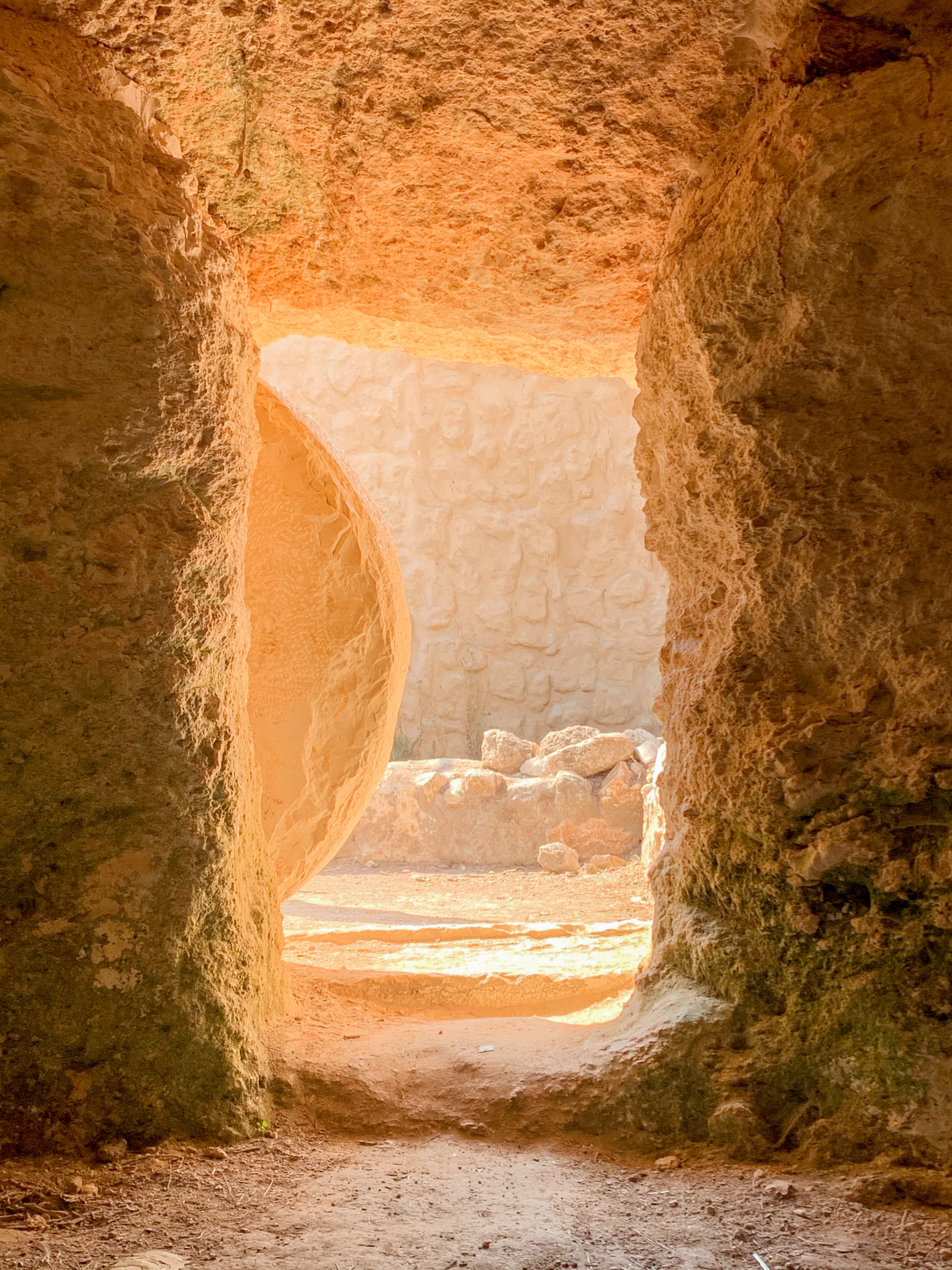
As I wrapped up this year’s reflections on the Way of the Cross, I started to think about Easter and the sights and sounds the word “Easter” brings to mind.

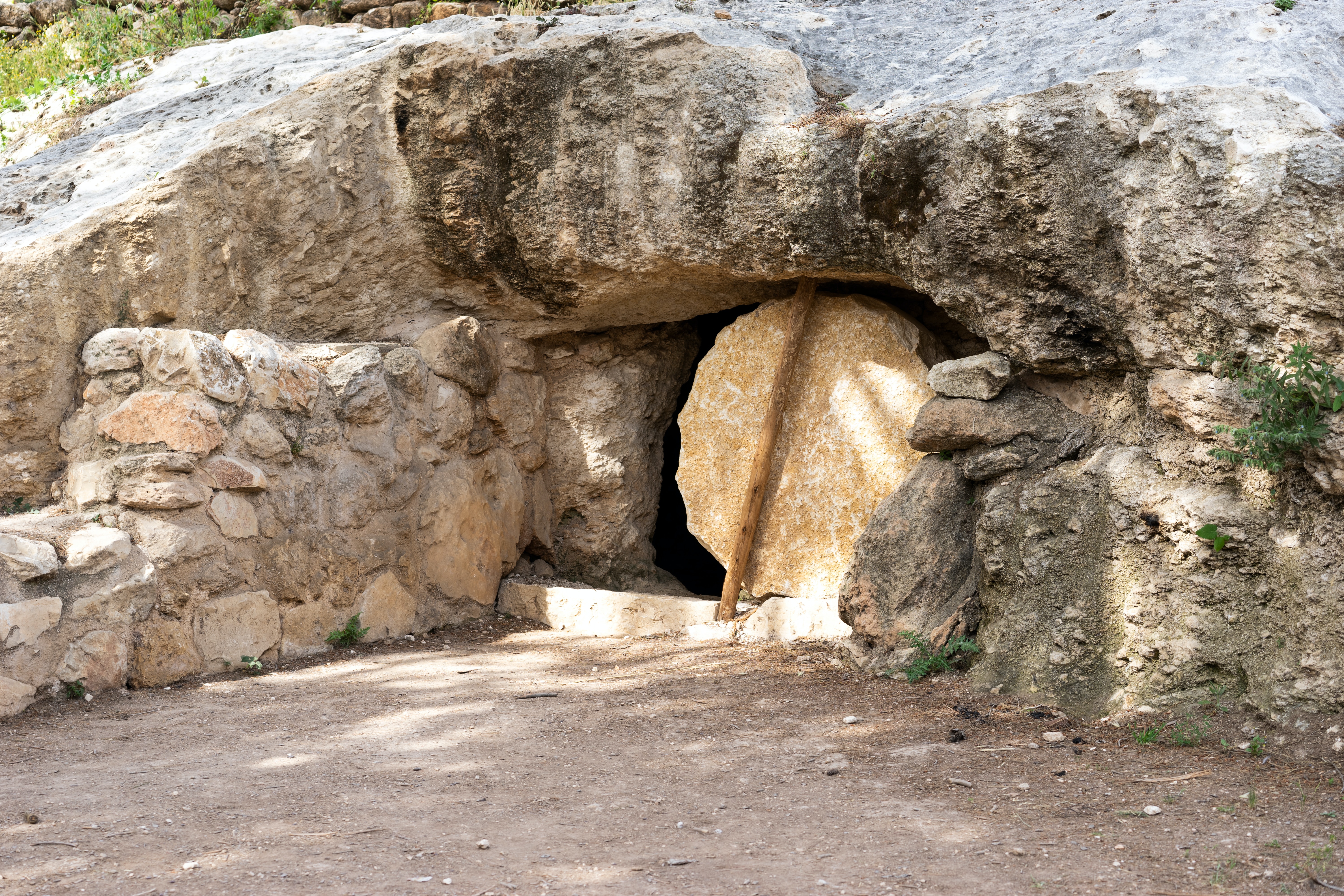
I imagined a stone rolled aside and and a cave-like tomb lit from an unknown source. The light is so bright it’s painful to the eyes — or maybe it ought to be painful but isn’t somehow. I can’t describe the light or explain it. I can’t describe how I can make out the outlines of a figure within its brightness. The figure is discernible, but I can’t see most of its features amid all the radiance.

The voice that comes from it is clear, however. It asks, “Why do you search for the living among the dead?” He is not here, for he has been raised.” It turns out that by including this quotation, my imagination is quoting Luke 24:5 almost verbatim but not quite. Matthew and Mark start their final chapters with similar scenes and related quotations. These accounts are dramatic, so it’s no wonder that movie scenes depicting that Sunday morning look and sound like the one I just imagined.

But what the Gospel reading for this Easter morning, John 20: 1-9, prompts me to see, hear, and think about is different from the other accounts of the ways Jesus’s first followers initially experienced the resurrection.

John 20:1-9 doesn’t present me with a story that is as obviously miraculous.

Mary sees the stone that had guarded the entrance to the tomb moved aside, and she runs to get Peter and “the other disciple whom Jesus loved,” announcing that Jesus’ body has been stolen (John 20:2-3). I learned somewhere that “the disciple whom Jesus loved” was John, so I’m going to refer to that person by this name to make this post easier to read, even though I don’t remember where I learned to identify the disciple this way.

In response to this news, Peter and John run back to the tomb. John gets there first but doesn’t go inside (20:5). Apparently, he just bends down and sees the burial cloths. I wonder why he acts this way. I wonder if some part of him was telling himself that if he doesn’t look any closer, he doesn’t have to see anything he doesn’t want to see. He could tell himself Jesus’ body hadn’t been stolen, that it was still hidden by the darkness. If he can’t yet face the memories and the reality of Jesus’ death (a reality that would’ve been difficult enough to grapple with had he not stood at the foot of the cross), he can go through the motions of looking without really seeing. Maybe he wants to show deference to Peter, or to let Peter be the one to confirm the worst. Peter seems ready to do that. He goes in and sees the cloth that had covered Jesus’ head rolled up in “a separate place” from the other burial wrappings (20:7). I always thought the details about the separate and apparently careful placement of the wrappings were meant to point to the resurrection. And maybe these details were included in hindsight to do just that, but on this reading of the text, I realized that in this scene, Jesus’ followers don’t yet believe he is risen. John 20:9 says “they [don’t] yet understand the scripture that he had to rise from the dead.”

This realization reminded me in a new way that the resurrection doesn’t erase all confusion or pain from the present or the past. The burial cloths haven’t disappeared. They’re still bloody, too, because in verse 19, Jesus shows his disciples the wounds in his hands and his side.

But that moment is for revisiting in future weeks. In this week’s reading, I’m not shown the words themselves, but I’m given reminders of them in the wrappings that no longer bind Jesus. If I take John 20:1-9 without the stories that follow it, I’m not reminded that pain doesn’t have the final word. Yet the Good News is that pain doesn’t have the final say, even if some of life’s experiences tempt me to think it will. Because Jesus is risen, I’m offered future resurrection. I’m neither promised resurrection now (though there are signs of it everywhere in nature’s spring awakening), nor am I to let the past behind me as the burial wrappings bound Jesus.

Photo by Chetan Kolte on Unsplash

The experience of reading John 20:1-9 without the stories that follow these verses remind me of what it’s like to celebrate Easter present. It will take time to understand a lot of things in this life. I won’t fully understand or experience what resurrection means while I’m here. My time-bound experience of Easter won’t feel as extraordinary as the one I imagined at the beginning of this post. It won’t mean forgetting things I don’t want to remember. It won’t banish disappointment or grief. And now I remember I’m not alone in this reality. The experience Jesus’ earliest followers had before sunrise that first Easter morning was not one of perfect clarity and joy.

You were risen, but neither You nor Your loved ones were in Heaven yet that first Easter. Neither am I on this Easter. Thank You, Lord, for the reminder from John 20:1-9 about what it means to practice patience and to hope. Amen

The Bible. The New American Bible Revised Edition, Kindle edition, Fairbrother, 2011.
Confraternity of Christian Doctrine, Inc. “Sunday July, 2 2023: Readings at Mass.” The New American Bible, 2001. Universalis for Windows, Version 2.179, Universalis Publishing Ltd., 26 Feb. 2023, https://universalis.com/n-app-windows.htm

Read Full Post »

This post is a continuation of my Lenten reflections on the Scriptural Stations of the Cross. The station titles and scripture and verse citations, except where otherwise noted, are published on USCCB.org.

Thirteenth Station: Jesus Dies on the Cross

(Luke 23: 44-46)

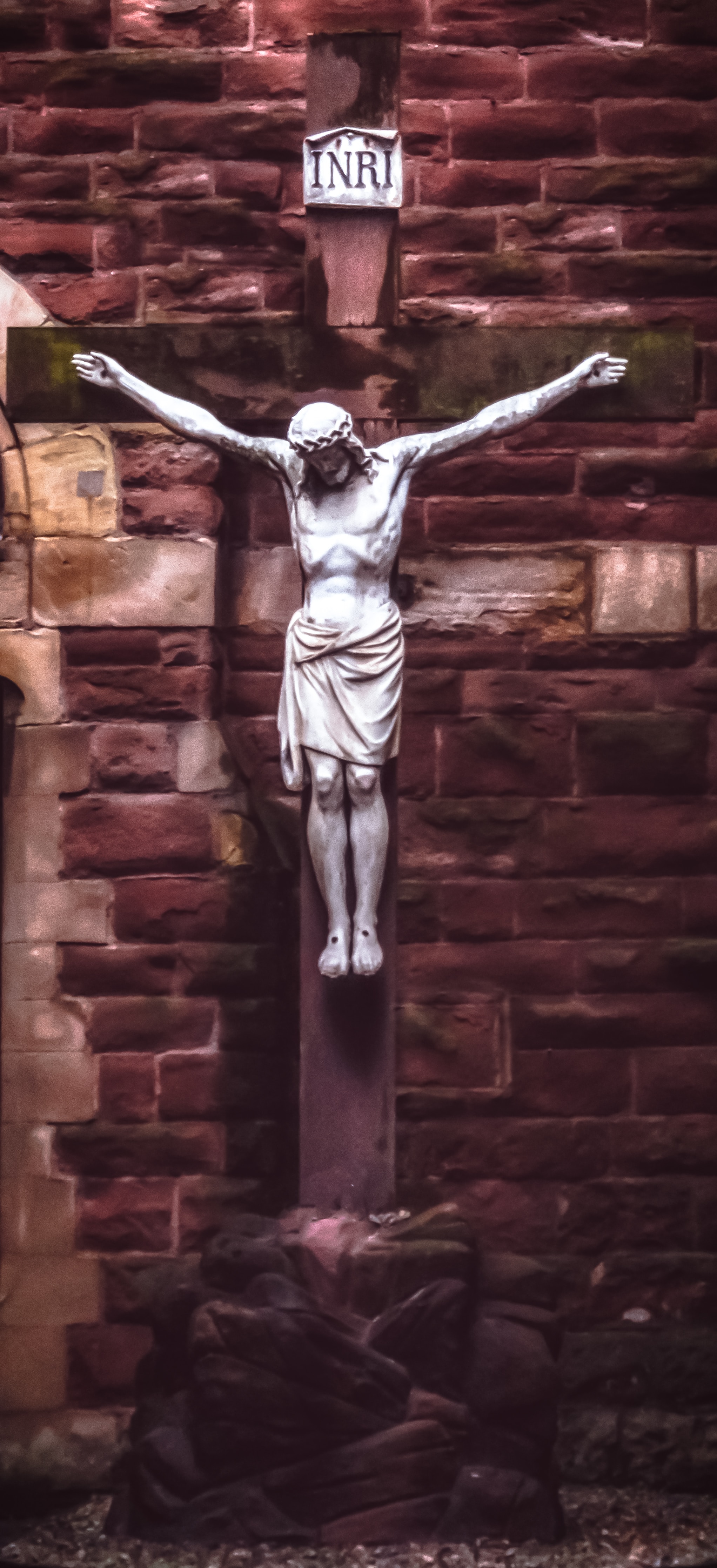
Photo by K. Mitch Hodge on Unsplash —Crucifix in the alleyway next to St. Patrick’s Church in Belfast (Jan., 2020)

Jesus, You began Your journey to the cross, in one sense, in the desert at the start of Your public ministry, and in another sense, in the Garden of Gethsemane. In both places, You let the Spirit lead you away from other people and from material comforts so that You could nurture Your relationship with the One who created You and sent You on Your mission. Times of retreat such as these allowed You to seek and to find the strength You needed to offer Yourself to Your brothers and sisters in the human family despite their spiritual blindness, weakness, greed, lust, fear, and impatience. You were able to surrender Yourself to others because You trusted Your Father would use their sins and frailties to accomplish the work of redemption. You knew that, ultimately, You were surrendering not to evil but to the Good of Your Father. For that purpose, You gave back to Your Father everything You received — Your desires, Your will, Your body, Your blood — every drop of it — and, in the moment to which I now turn my attention, Your spirit. You knew that only by dying, only by commending everything You had received to the Father, would You be free from the grip death had on You.

I, too, must embark on a lifelong journey of surrendering everything I have to Divine Love in order to receive Divine Life. I couldn’t travel this path if You hadn’t done so before me and didn’t continue to do so beside me and within me. I forget the sight and the feel of Your Way again and again, and You are with me to guide me back to it. Thank You for doing for me, with me, and in me what I cannot do by myself. Thank you for creating me for relationship in all its forms. Amen.

Fourteenth Station: Jesus is Placed in the Tomb

(Matthew 27: 57-60)

Photo by Jeremy Mura on Unsplash

Jesus, in honor of the care Joseph of Arimathea showed You when You could not express Your gratitude, I offer prayers of thanksgiving.

  • for those who share what they have
  • for those who give of themselves and their possessions without expecting compensation or a reward
  • for those who cannot express their gratitude for the care they receive
  • for those who look after the dignity of the dignity of members of the human family who have died.

I’m grateful that You call to Yourself people from all walks of life.

I pray for those who have died, for those who mourn, for those who wait, and for all of us who grapple with anxiety amid the uncertainty of life. I bring to You Your beloved ones who face situations that seem hopeless.

And I pray for the virtues of patience and charity. Help me to recognize and to accept opportunities to practice these virtues. Teach me to rest in You. Amen.

Read Full Post »

This post is a continuation of my Lenten reflections on the Scriptural Stations of the Cross. The station titles and scripture and verse citations, except where otherwise noted, are published on USCCB.org.

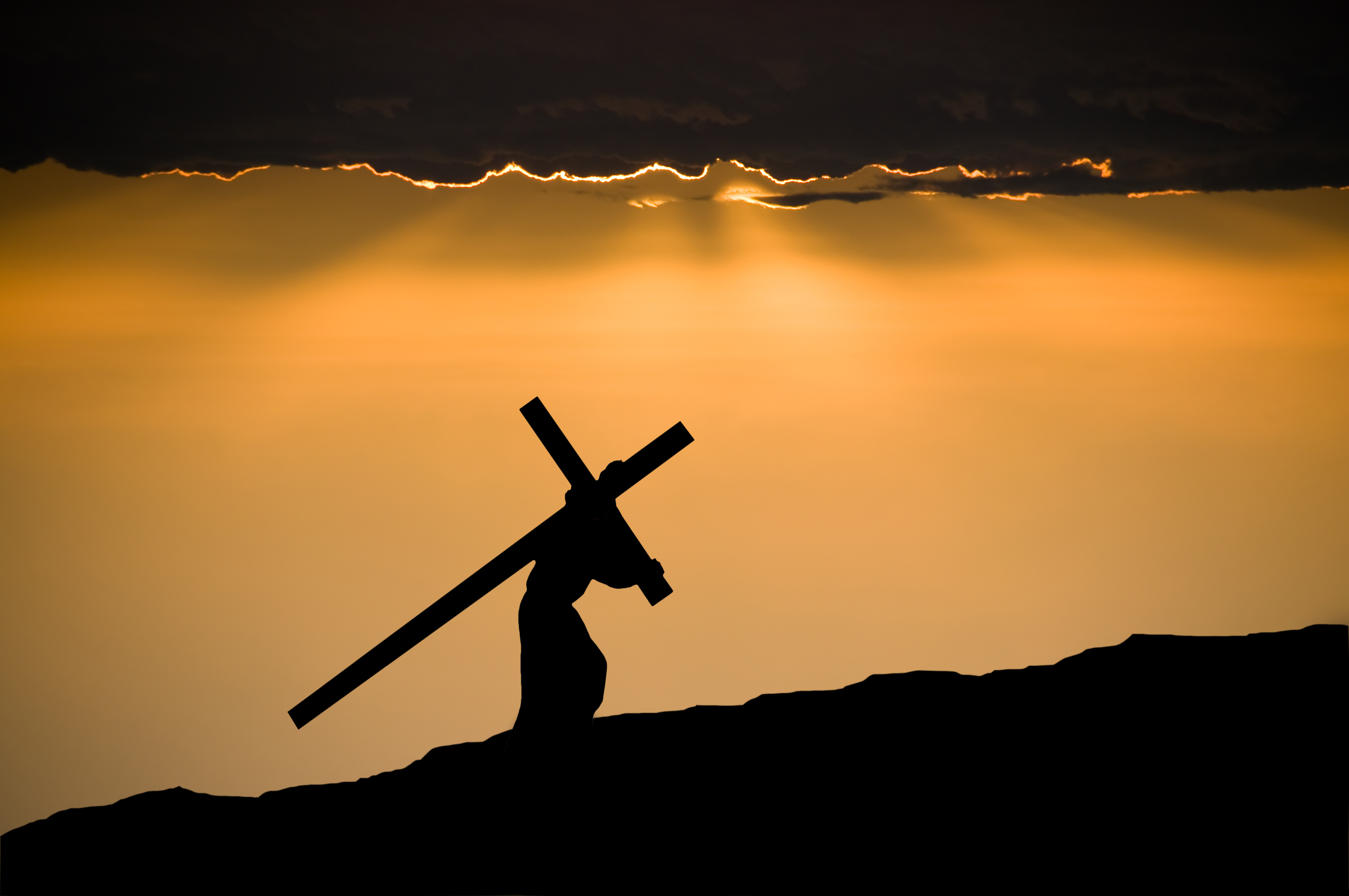
The figure of Jesus Christ carrying the cross up Calvary on Good Friday. The sky is dark and ominus.
Photo by https://www.istockphoto.com/portfolio/wwing?mediatype=photography

Seventh Station: Jesus Bears the Cross

(John 19: 6, 15-17)

Words are powerful. Help me, Lord, to remember this, and help me to use their power to do good. Help me to use them to build faith, hope, charity, justice, and mercy. May my words never stand in the way of anyone receiving and sharing Your gifts.

Help me to make the best of every situation by seeking and recognizing Your presence in each one, especially when I’m confronted with and affected by words and actions that don’t seem to foster faith, hope, charity, justice, and mercy.

Help me to do Your will and to feel Your presence, especially when I feel afraid, confused, weak, and alone. Strengthen me when I feel powerless. Increase my faith that you have given and will give me what I need to do what you ask. Amen.

Eighth Station: Jesus is Helped by Simon the Cyrenian to Carry the Cross

(Mark 15: 21)

Photo by Samuel Rios on Unsplash

Lord, help me to remember that when I join my crosses — the annoyances, the struggles, and the pain in my life — to yours, when I don’t allow my crosses to hold me down but instead trust that You will help me move forward while carrying them, I take part in my own redemption and the redemption of Your creation. Thank You for showing me through Simon and others how to do this, and thank You for giving my carrying of my crosses and the crosses of others redemptive power through Your passion and resurrection. Thank You also for teaching me through the role of Simon on the way of Your cross that I take part in Your redemptive work even when I don’t receive crosses willingly. Grant me the grace to accept and to share crosses willingly, nonetheless. Grant me the patience and discernment I need to share the crosses of the brothers and sisters closest to me and the closest those who are suffering throughout the world. Amen.

Read Full Post »

Photo by Benjamin Elliott on Unsplash

What I thought would be this week’s post is taking longer to get ready than my posts normally do. The readings I’m currently reflecting on are taking my writing in all different directions. Not being open to where each one takes me doesn’t feel right. So for this week’s post, while I’m seeing where multiple trails lead and how they are connected, I’ll link to a reflection from Julie Hanlon Rubio and one of my favorite websites, Catholic Women Preach.

If and when what I thought would be this week’s post feels ready to share, I’ll be so excited to share it with you.

In the meantime, my experience with writing for this space this week has taught me that part of patience might be a willingness to take detours from what seems like the surest road to a destination. Maybe what seems at the beginning of a journey to be the best route to follow actually isn’t. Maybe I’m not always called to take the most direct route to where I think I’m called to go — especially in writing. Maybe getting sidetracked is an important part of some journeys.

Read Full Post »