Feeds:
Posts
Comments

Posts Tagged ‘Nature’

Photo by 𝗔𝗹𝗲𝘅 𝘙𝘢𝘪𝘯𝘦𝘳 on Unsplash

This week’s readings:

  1. Acts 1:1–11
  2. Psalm 47:2–3, 6–7, 8–9
  3. Ephesians 4:1–13
  4. Mark 16:15–20

What this week’s readings say to me:

This week’s readings are the readings that commemorate the Ascension of the Lord. The themes of this week’s passages call to mind themes we’ll revisit near the end of the year, on the last Sunday before Advent, the feast of Christ the King. On this day and on that one, we honor Christ’s kingship.

Today, the first reading gives us a summary of what happened during Christ’s reign on earth. It reflects on the past. In the same passage, the apostles ask the risen Lord what His resurrection means in terms of the prophecies about the Messiah that have been handed down to them. They wonder what the prophecies and the resurrection mean for their futures. He tells them this is no time to sit back and wonder what God is going to do. He tells them instead to focus on what He has asked them to do, which is to do as He has done and to share what He has taught them.

This week’s psalm is one that praises God’s kingship.

In the epistle, the third passage listed above, Paul tells the church in Ephesus how to live as Christ lived and how to teach what He taught. He says the key to communion with others and Christ is practicing “humility and gentleness” so that we might “preserve the unity of the spirit through the bond of peace” (Eph. 4:2-3). Embracing these qualities allows God, who is Love, to reign “over all and through all and in all” (Eph. 4:6).

To me, the passage seems to go on to say that Christ didn’t ascend to reign “over all” without descending into death and into a tomb first so He could loosen the grip of death on creation (Eph. 4:6-10). By ascending He cannot only reign but rain gifts on all of creation. These gifts prepare each of us to grow in union with God, to help others grow in that union and to care for what we have in different ways (Eph. 4:10-12).

The Gospel passage reminds us that if we don’t grow in union with God, we die. Furthermore, if we don’t care for the people and resources we’ve been given, we lose them. We run out of resources. The Gospel passage also reminds us to share what we’ve been given and that the gifts we have possessed great power.

What someone else is sharing about this week’s readings:

This week, Martha Ligas proposes that the natural world can teach us how to live out the mission that Jesus gave the apostles.

Beyond this week’s readings:

These signs will accompany those who believe: in my name they will drive out demons, they will speak new languages. They will pick up serpents with their hands, and if they drink any deadly thing, it will not harm them. They will lay hands on the sick, and they will recover.

(Mark 15:17-18)

The above excerpt reminds me that for we flawed human beings, every gift brings with it temptations. Humans sometimes use this verse and the fact that they can receive, live in, and share God’s spirit as justification to put God to the test. We read that when the spirit drives Jesus into the desert, Satan tempts him to put God to the test by commanding a stone to turn into bread and by throwing Himself off the parapet of the temple and expecting God to rescue Him (Luke 4:3 and 9-11). Jesus responds by telling us and Satan that neither we nor He should put God to the test (Luke 3:12). Possessing God’s spirit doesn’t mean we should act without employing reason and exercising prudence. The rules in place in the natural world are just as much reflections of who God is as are events humans are more inclined to call miracles. Let’s celebrate the beauty of nature and laws of the universe and respect that God works within and beyond these gifts. God’s vision is deeper, wider, and clearer than ours is. To respect and to celebrate this reality is to live with gratitude and humility.

This week’s prayer:

The following prayer has a lot of work to do to come to fruition in me: Lord, may we not invite trouble and danger, fear what trouble may come, or be afraid when You allow difficult times to invite us to turn to you and be transformed into the people we can become in You. Amen.

Work cited (but not linked to)

The New American Bible Revised Edition, Kindle edition, Fairbrother, 2011.

Read Full Post »

We often hear about the Trinity, but what does the Trinity mean? In “The Mystery of the Trinity,” Father Richard Rohr explains it like this:

“Christians believe that God is formlessness (the Father), God is form (the Son), and God is the very living and loving energy between those two (the Holy Spirit). The three do not cancel one another out. Instead, they do exactly the opposite.”

In “Images of the Trinity,” he adds,

“[T]he three Persons of the Trinity empty themselves and pour themselves out into each other. Each knows they can empty themselves because they will forever be refilled To understand this mystery of love fully, we need to “stand under” the flow and participate in it. It’s infinite outpouring and infinite infilling without end. It can only be experienced as a flow, as a community, as a relationship, as an inherent connection.”

All of creation reveals this relationship—”from atoms, to ecosystems, to galaxies,” The shape of God, Father Richard writes in “The Mystery of the Trinity,” is the shape of everything in the universe! Everything is in relationship and nothing stands alone.”

“Everything is in relationship and nothing stands alone.”

Father RICHARD ROHR

I’d say the first reading (Proverbs 8:22-31) and the psalm (Psalm 8:4-9) from this past weekend reflect this understanding, especially Proverbs 8:27-31 and Psalm 8:4-9. The psalm excerpt begins with:

When I behold your heavens, the work of your fingers,
the moon and the stars which you set in place—
What is man that you should be mindful of him,
or the son of man that you should care for him?

Psalm 8:4-5

The psalmist marvels at all the wonder his senses can take in, and he’s in awe of his experience that despite being reflected in all that grandeur, God also cares about the smallest components of the natural world and every single human being, too.

I love the way Proverbs assures us that God does, indeed, care about aspects of our lives that may seem to us to be insignificant. In that book, wisdom speaks about itself, saying:

I was his delight day by day,
playing before him all the while,
Playing over the whole of his earth,
having my delight with human beings.

Proverbs 8:30-31

Works cited

The Bible. The New American Bible Revised Edition, Kindle edition, Fairbrother, 2011.
Rohr, Richard. “Images of the Trinity.” Center for Action and Contemplation, 12 Jan. 2022, https://cac.org/daily-meditations/images-of-the-trinity-2022-01-12/. Accessed 17 June 2022.

—. “The Mystery of the Trinity.” Center for Action and Contemplation, 9 Jan. 2022, https://cac.org/daily-meditations/the-mystery-of-the-trinity-2022-01-09/. Accessed 17 June 2022.

Read Full Post »

No, this isn’t a post about the band.

This is a post about “The Coming of the Spirit.” That’s the title the Bible I use gives to the first story presented in Acts Chapter 2. It’s a story I’ve heard many times, and most reflections I’ve heard or read about it focus on the effect of this event on the apostles. The affect the Spirit had on the apostles didn’t grab my attention this time, though. What I zeroed in on were the sensory details used to describe the Spirit. Acts says “And suddenly there came from the sky a noise like a strong driving wind, and it filled the entire house in which they were. Then there appeared to them tongues as of fire, which parted and came to rest on each one of them” (2:2-3). The “driving wind” and the “tongues of fire” got me thinking about the many effects wind and fire have on us here on Earth and how some of those effects can remind us of what God does.

“And suddenly there came from the sky a noise like a strong driving wind, and it filled the entire house in which they were. Then there appeared to them tongues as of fire, which parted and came to rest on each one of them.”

Acts Chapter 2:2

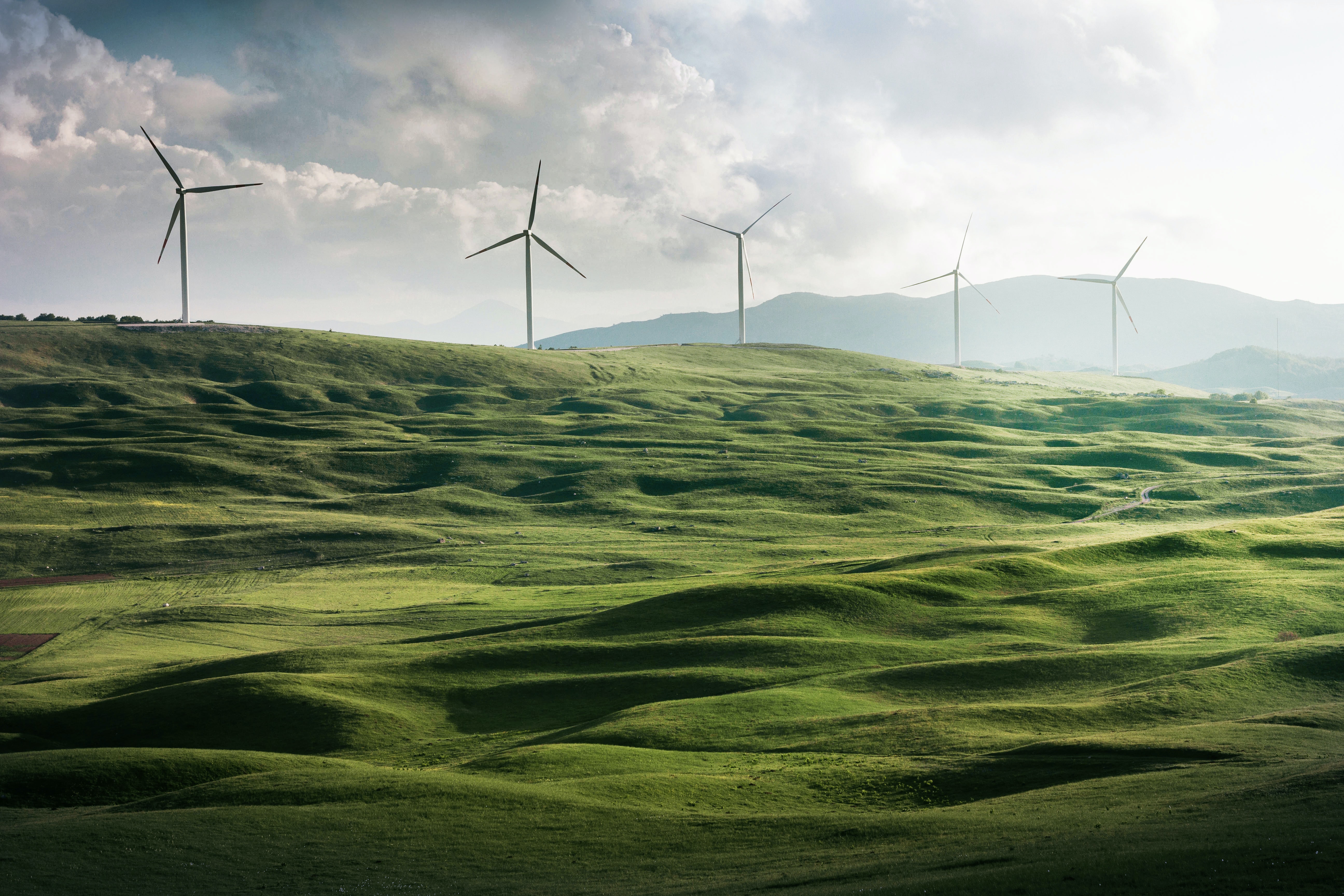
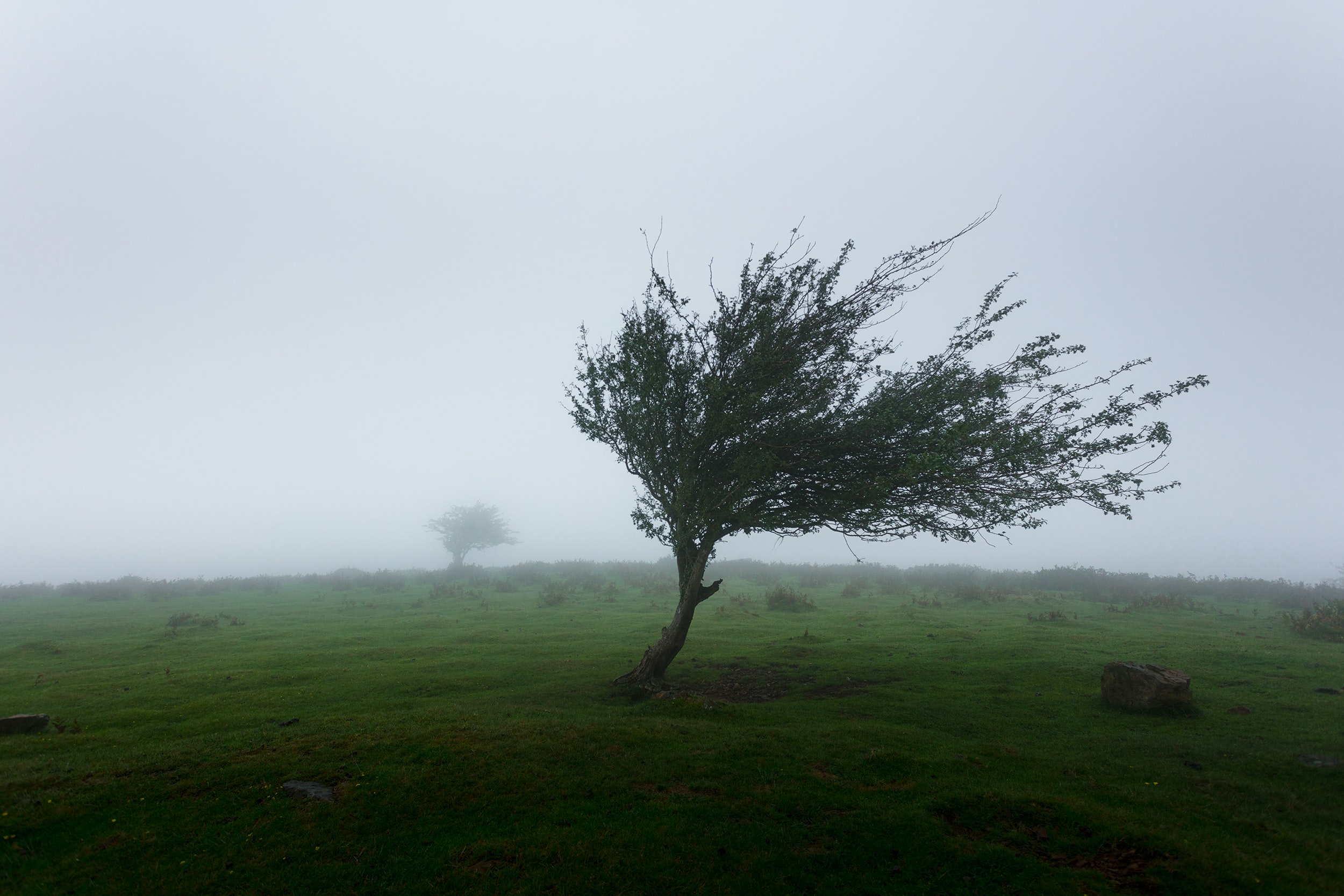
I’ll start with wind. It can generate energy and can send some of our balloons, kites, and ships whichever way it blows. Along with water, it can reshape the natural landscapes in which we live. It can rip apart and topple structures we build, especially if we don’t or can’t use the sturdiest materials and designs. Wind outlasts all temporary construction. But it’s gentlest form is breath.

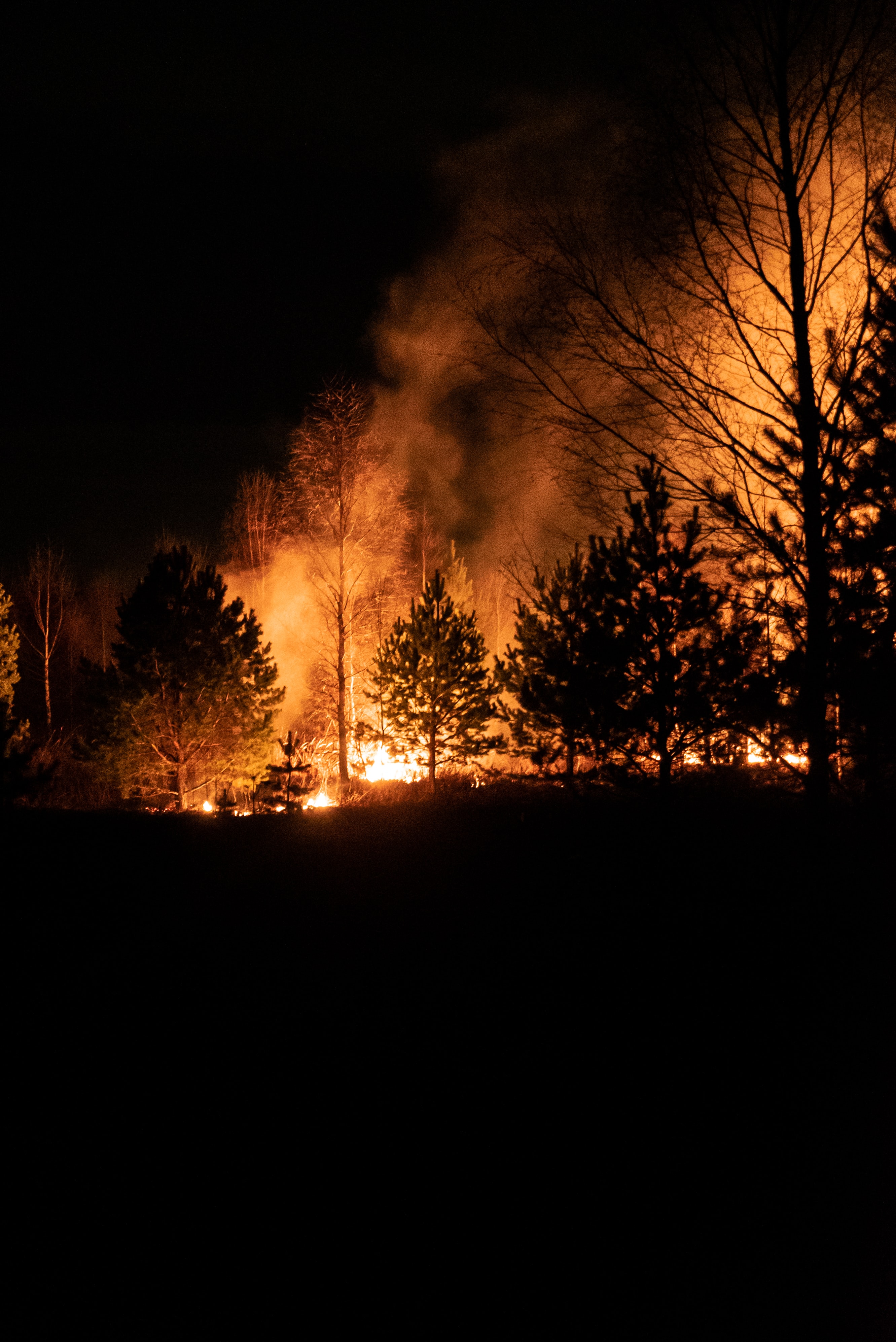
We start fires to generate warmth and coziness. They melt what we can’t bend without them. They weld things together. We will also use fire (or more commonly the heat it generates) to purify water and instruments, to protect ourselves from disease-causing microbes. It changes how even compounds and elements react. Its heat can change the nature of matter. It turns ice to water, and water to gas. It can both solidify and consume the work of human hands. Sometimes we want it to consume the work of those hands so we can get rid of what we don’t want. This article from Science says that, sometimes, fires clear away “dead litter on the forest floor.” The article continues:

[Wildfires allow] important nutrients to return to the soil, enabling a new healthy beginning for plants and animals. . . .

But fires are only good if they serve their specific purpose. If they burn too long or the ground stays dry too long, ecosystems can’t recover.

LAKSHMI SUPRIYA

The above quotation illustrates that the analogy between the Holy Spirit and wind and fire is far from perfect. I don’t believe in a Holy Fire that burns “too long,” drying out creation so that it can’t recover. I don’t believe the Holy Spirit destroys us. On the contrary, the Spirit I believe in is all about giving life, and helping us “have it more abundantly” — (John 10:10). In its ability to refresh, I would characterize the Holy Spirit as being like water as much as fire. And God created wind, fire, and water with certain characteristics and ways of interacting with each other.

I came so that they might have life and have it more abundantly.

John 10:10

It is we who put ourselves in the path of the elements because they offers many gifts that help us establish and continue our communities. But proximity to these powerful gifts is also also one of the ways we’re vulnerable. And we contribute to the danger of their power because we who sometimes overuse, misuse and abuse what is good, including natural gifts.

In doing so, we can contribute to the destruction of ourselves and each other. Or we can use the gifts of that Spirit to allow ourselves to be reshaped for the better when nature’s power and/or human choices remind us of the frailty earthly life.

Works cited

The Bible. The New American Bible Revised Edition, Kindle edition, Fairbrother, 2011.
Supriya, Lakshmi. “Ecosystems could once bounce back from wildfires. Now, they’re being wiped out for good” Science, AAAS, 19 Dec. 2017, https://www.science.org/content/article/ecosystems-could-once-bounce-back-wildfires-now-they-re-being-wiped-out-good.

Read Full Post »