Confession (or a peek behind the curtain): as I’m writing these words, it’s May 9. Since my Lenten Stations of the Cross series wrapped up, I’ve been writing the posts ahead. I hoped that by doing this, I’d have more time to reflect on the readings, and I’d be able to publish reflections that refer to the Mass readings for the day
Well, I got the first benefit with this post, but not the second. This post isn’t going to refer to this week’s readings because I just realized I looked at the wrong day’s readings when I started working on this post. The result is that this post makes a connection to last week’s readings — the readings for May 7 — not the readings for May 14.
Still, I enjoyed the connection I encountered between a verse in the May 7 Gospel reading and Psalm 23. So, with the exception of this introduction, I’m going to publish this post in what I previously thought would be its final form. The next post may relate to the readings for May 21, but then again, knowing me, it may not. Thanks for coming along with me on the adventure that is this blog.
“Believe me that I am in the Father and the Father is in me, or else, believe because of the works themselves”
John 14:11
You spread the table before me in the sight of my foes; you anoint my head with oil; my cup overflows. Indeed, goodness and mercy* will pursue me all the days of my life; I will dwell in the house of the LORD for endless days.
Psalm 23:5-6, The New American Bible Revised Edition
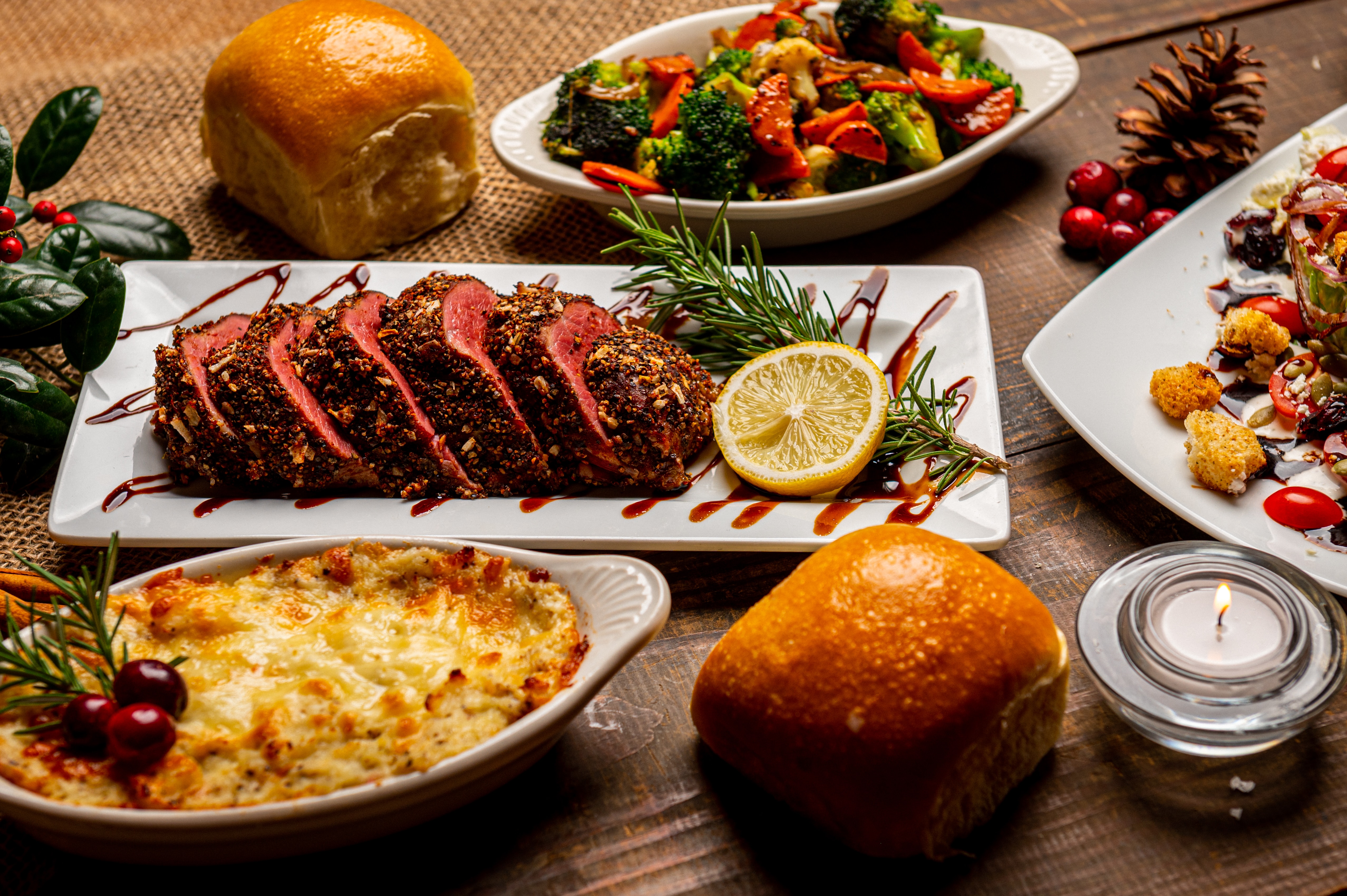
The readings for this Sunday don’t include Psalm 23, but I’ve found a point of intersection between the next two verses of the psalm and John 14:11, a verse from today’s Gospel reading. To me, verses 5 and 6 of Psalm 23 have something to say about how the Shepherd’s service shows even those who are not members of His fold just how powerful authority employed for care is. This care holds a power that everyone recognizes and wants to benefit from, even though not everyone recognizes the Foremost and Ultimate Shepherd and Host for who He is. Few people wouldn’t marvel at a host setting a banquet before a guest. According to the New American Bible Revised Edition, the banquet would signal to the psalmist’s enemies that he’s a “friend and guest” of God (Psalm 23: 5n).
But this host doesn’t just prepare a feast that would be enticing to anyone. He prepares his guests for this feast the likes of which they’ve never seen and can’t imagine or prepare themselves for. He helps them present the best version of ourselves to the world by anoint[ing] [their] head[s] with oil” (Psalm 23:5). The New American Bible Revised Edition says “a perfumed ointment made from olive [was] used especially at banquets” (23:5n). The third line of verse 5 and the note that accompanies it remind me of how someone is anointed with oil at baptism. According to information about the liturgy of baptism from the Diocese of Savannah, Georgia, “The celebrant anoints the person to be baptized with the Oil of Catechumens (an oil that has been blessed by the bishop for the candidates for Baptism) or imposes hands on the person. In this way, the person is being called to renounce sin and to leave behind the domination of the power of evil.” Artza adds that “Biblically, to be anointed was something of great significance, as it symbolized the Lord’s favor.” This Divine call and favor prepares the person for the heavenly feast, a gathering (communion) of the Host and His guests that satisfies their every desire and fills them with joy they can’t contain. I imagine it overflowing so that it can be shared among the guests and the host.
Many guests haven’t yet arrived at this feast, yet they aren’t totally cut off from its delights. They encounter “green pastures” and “still waters” that restore their souls after they’ve walked through “dark valley[s],” “the valley of the shadow of death” even (Psalm 23:2 and 4, The New American Bible Revised Edition; New American Bible, 2001 edition). These gifts help them endure the next valley they must pass through on the way to the feast as well. He doesn’t just lead them to these delights, either. These delights are both behind and ahead — for looking forward to and back upon for reassurance. They are ahead and behind because the Shepherd is always ahead, beside, and behind the members of His flock (Psalm 23: 4, The New American Bible Revised Edition). He is with them, and He “pursue[s]” them (Psalm 23:6, The New American Bible Revised Edition). [They are] “in the father, and the father is in [then]” (John 14:11).
Lord, remind me to look for You behind me, beside me, and ahead of me so that I may abide in You and so that You and Your works may be glorified because of my life. Amen.
Confraternity of Christian Doctrine, Inc. “Sunday 30 April 2023: Readings at Mass.” The New American Bible, 2001. Universalis for Windows, Version 2.179, Universalis Publishing Ltd., 26 Feb. 2023, https://universalis.com/n-app-windows.htm.
 Sitting with the Sacred
Leave a comment