Jesus said to his disciples: “You are the salt of the earth. But if salt loses its taste, with what can it be seasoned? It is no longer good for anything but to be thrown out and trampled underfoot.
Matthew 5:13
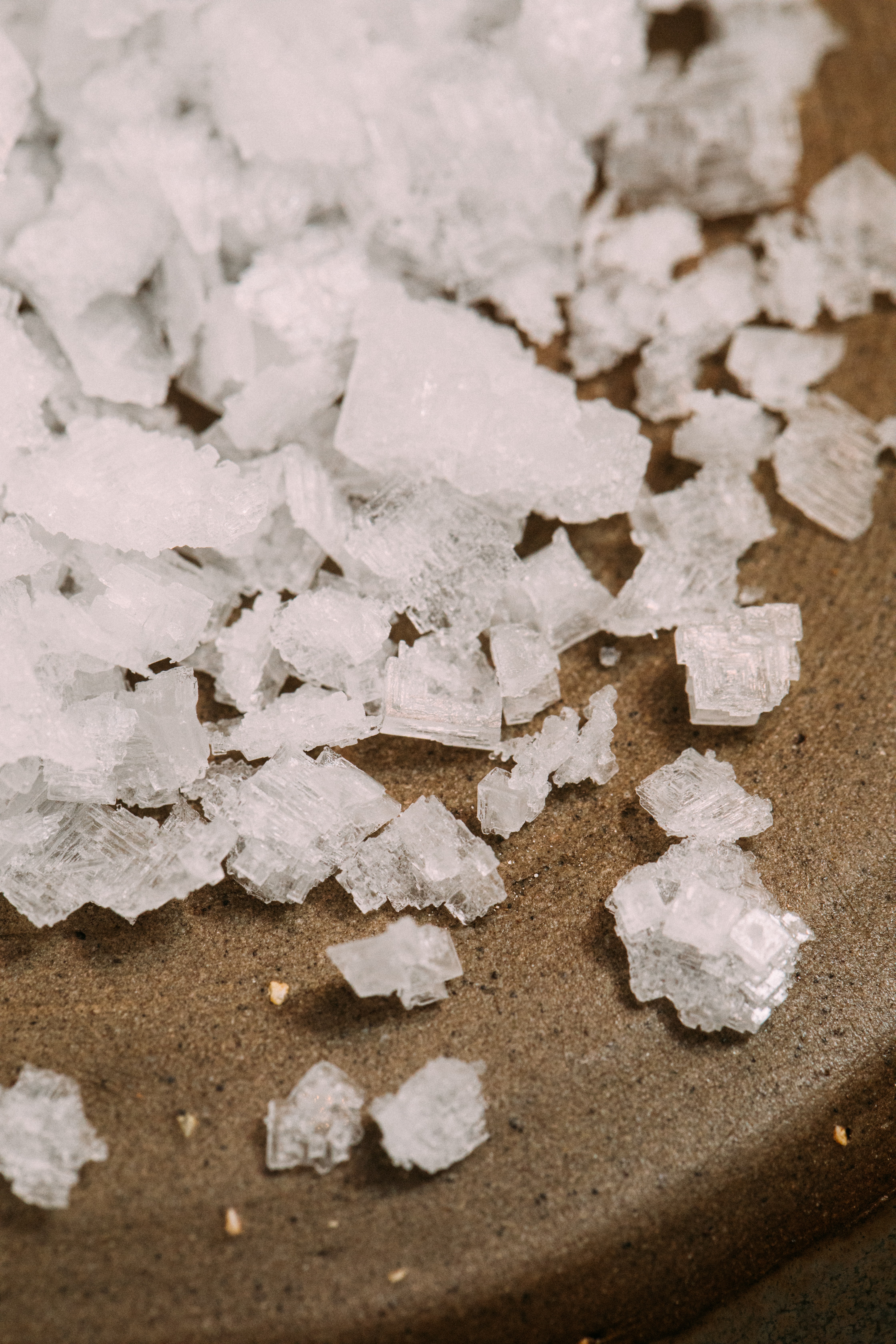
I am the salt of the earth. Hearing this, I’m inclined to wonder if a little bit of me goes a long way. Am I overpowering if someone relies on me too much? Does too much of me contribute to high blood pressure? Undoubtedly, the answer to these questions is sometimes “yes.”
But I don’t think salt had these associations for people in Jesus’ time. Wikipedia’s entry, “Salt in the Bible,” says salt is used in the Scriptures “signify permanence, loyalty, durability, fidelity, usefulness, value, and purification . . . . Salt was widely and variably used as a symbol and sacred sign in ancient Israel Numbers 18:19 and 2 Chronicles 13:5 illustrate salt as a covenant of friendship. In cultures throughout the region, the eating of salt is a sign of friendship.” (Yes, I know Wikipedia is not a foolproof source of information, but I’d like to be able to make this post available to you sometime this week.)
Before embarking on this post, I was aware that humans have used to salt as a preservative for a long, long time, so it makes sense to me that, especially before the advent of refrigeration, salt would be associated with permanence, durability, usefulness, and value. The association with fidelity also makes sense in that food must be preserved to remain what it is.
The human body requires a small amount of sodium to conduct nerve impulses, contract and relax muscles, and maintain the proper balance of water and minerals. It is estimated that we need about 500 mg of sodium daily for these vital functions. But too much sodium in the diet can lead to high blood pressure, heart disease, and stroke. It can also cause calcium losses, some of which may be pulled from bone. Most Americans consume at least 1.5 teaspoons of salt per day, or about 3400 mg of sodium, which contains far more than our bodies need.
Some people believe that salt needs be replaced during hot weather or strenuous exercise to avoid muscle cramps. This is not correct. What you need to replace is water.
The human body can happily survive on just one gram of salt a day, as hormones keep a check on sodium levels and make adjustments for hot weather. A genuine sodium shortage brought on by hot weather or exercise is extremely rare, even among hard-working athletes.
When salt is used judiciously, when one might say it’s treated like it has value rather than used carelessly, it brings out the best not only in our bodies but in our food. It enhances other flavors rather than overpowering them. Maybe the ability of salt to have a positive effect on other flavors is good to remember as we seek to have healthy relationships with the people around us. Our call and our challenge is not to take charge all the time but to journey with one other and to work on building communities that bring out and benefit from the best qualities of their members.
I’m sorry to say I don’t always bring out the best qualities in the people around me. Why? Because I’m not the pure salt. A footnote in my Bible says the following: “The unusual supposition of salt losing its flavor has led some to suppose that the saying refers to the salt of the Dead Sea that, because chemically impure, could lose its taste” (Mat. 5:13n).
The websiteNatural Pioneers has this to say about Dead Salt’s limited effectiveness for flavoring food: “Dead Sea Salts are made up of about 60% magnesium and potassium, 8% sodium and some rare minerals. . . .While a small percentage of extracted Dead Sea salts are washed and processed to edible salt, the majority is not” (Dead Sea Salts Vs. Sea Salt Are They The Same? [Studies]).
Lord, help me to come to You so that You can wash me. Refine me into the pure salt You created me to become. Grant me the grace to treat others as my valued brothers and sisters rather than carelessly. Help me to cooperate with those around me to flavor our surroundings with Your Love. In other words, grant me the grace to be salt for the world but not salty. Amen.
Works cited
The Bible. The New American Bible Revised Edition, Kindle edition, Fairbrother, 2011.
 Sitting with the Sacred
Leave a comment