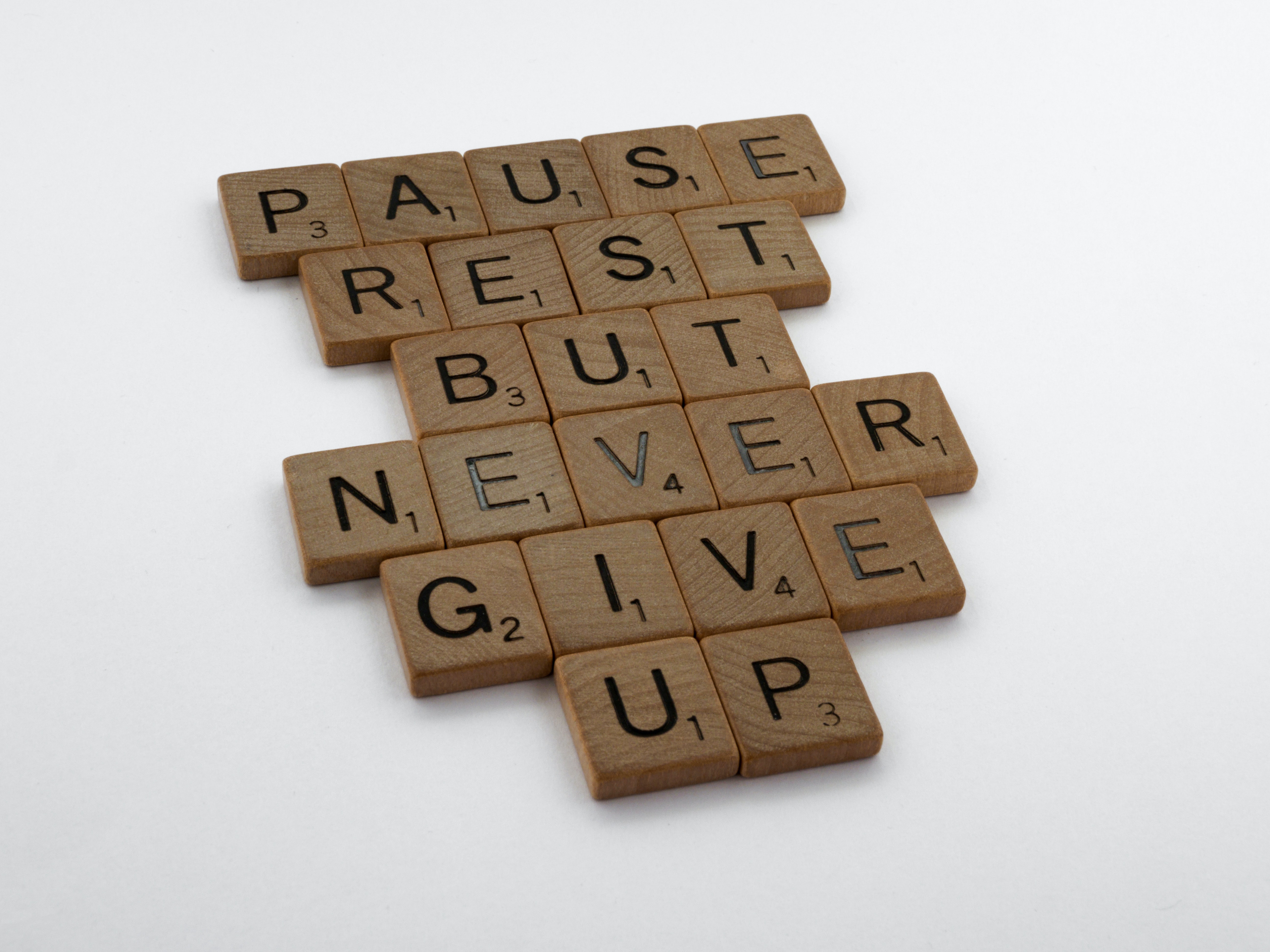
“The apostles said to the Lord, “Increase our faith.” The Lord replied, “If you have faith the size of a mustard seed, you would say to this mulberry tree, ‘Be uprooted and planted in the sea,’ and it would obey you.
Luke 17:5-6
This weekend, when I heard Luke 17:5-10, I found myself imagining the apostles second-guessing their decisions to drop whatever they had been doing and follow Jesus. They’d seen healings and heard a Divine voice, but they were also still seeing so much injustice and suffering. Wasn’t the Messiah supposed to end injustice and bring peace — for all people of goodwill? I imagined the apostles weren’t just seeing suffering. They were feeling it. Maybe the day they made the plea recounted in verse 5, their body aches and dry skin were demanding their attention more than usual. Maybe they missed their families, too. It had been a while since they’d feasted and toasted any newlyweds. I heard their request as being akin to saying to Jesus, “We’re running on empty. We need to refuel, spiritually. And fast. What’s the best way to do that?”
“Who among you would say to your servant who has just come in from plowing or tending sheep in the field, ‘Come here immediately and take your place at table’? Would he not rather say to him, ‘Prepare something for me to eat. Put on your apron and wait on me while I eat and drink. You may eat and drink when I am finished’? Is he grateful to that servant because he did what was commanded? So should it be with you. When you have done all you have been commanded, say, ‘We are unprofitable servants; we have done what we were obliged to do.’”
Luke 17:7-10
The reason I put the apostles’ plea in this context is the rest of the reading. Remember, it doesn’t end with Jesus’ reassurance about the power of a tiny seed of faith. What comes after the well-known images of the mustard seed and the mulberry tree is a parable about an “unprofitable servant” (Luke 17:10). Was this servant disobedient? No. He merely did only what was required of him (17:10). Because he doesn’t exceed the minimum requirements of being a servant, he’s unprofitable. Maybe another way to understand what makes him unprofitable would be to say that he follows the letter of what’s asked of him, but not the spirit. He obeys the master but doesn’t love him the way God loves him. He doesn’t treat the master like a beloved family member. (Of course, a human employer would be called to treat his employee the same way; faith trusts that God does that). Faith also doesn’t expect an immediate reward and is open to rewards taking different forms than expected. In other words, humility, perseverance, generosity, and patience are essential characteristics of faith.
Now, everything I’ve written in this post so far is inspired by my initial reactions while hearing the Gospel reading this weekend. Once I heard the homily, it became apparent that I wasn’t the only one this weekend to use this reading as a reflection—not just on the power of faith, but also on what faith is. The homilist spoke about what faith is, too. He said, “Faith is a gift from God and a response to that gift.” He went on to share three stories. One was about a mother diagnosed with cancer being confident that God would use her diagnosis for some greater purpose and being curious about what that use would look like. Another story was about a nun diagnosed with cancer who surprised the doctor because she didn’t look unhappy about the diagnosis. “Either way, I win,” the priest quoted the nun as saying. “Of course I’ll take the treatment.” If it worked, she’d gone serving God here on earth. And if it didn’t, she had faith that she would come to rest in the fullness of God’s presence. These were the second and third stories the priest told. The first was about St. Maximilian Kolbe, about whose life and martyrdom you can read here.
Only in the case of St. Maximilian Kolbe did the homilist reveal the outcome — at least the earthly one. These stories are reminders that faith doesn’t guarantee an easy journey. It doesn’t mean being certain about how this or that development is going to turn out. It means accepting our crosses, and not only that, according to the parable that makes up the second part of the Gospel reading for this Sunday. Faith means embracing crosses—not in the sense that we have to pretend that we like them—but in the sense that we trust they have meaning, and without knowing what that meaning is, we trust that God doesn’t want us to carry burdens in vain or alone. After all, God sent Jesus to carry our crosses with us and to keep them from destroying our souls. Furthermore, we can be the ones who turn our crosses into ways to serve the common good. We can help others to carry and to find purpose in their crosses.
I, for one, have a lifelong history of not embracing many of the crosses in my life. But I take comfort in the fact that every moment is a new opportunity to practice the faith I wrestled with in this post. Lord, help me. Amen.
Work cited
The Bible. The New American Bible Revised Edition, Kindle edition, Fairbrother, 2011.
 Sitting with the Sacred
Leave a comment